Chinese New Year 2027: Dates, 15-Day Schedule and Customs
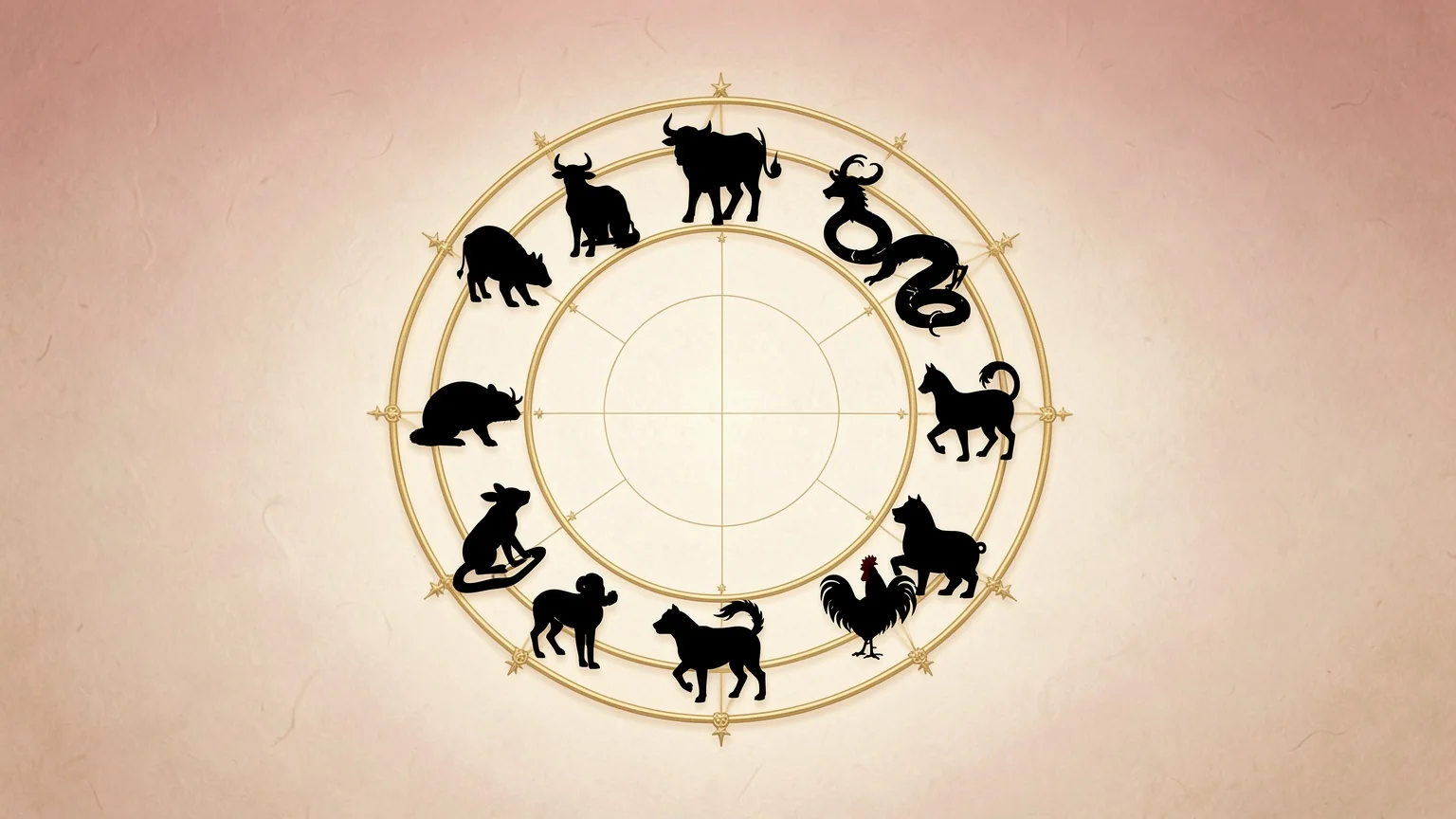
Chinese New Year 2027 falls on Saturday 6 February 2027. That date is the first day of the first lunar month, the day the festival calendar calls New Year's Day and the first day of the Goat year in ordinary usage. Because the date is fixed by a new moon rather than by a rule on the Western calendar, it shifts every year, and the days around it shift with it. This guide sets out the dates for the whole fifteen-day celebration, explains why New Year's Eve in 2027 lands on 5 February, and shows how to check each of those dates against the calendar yourself.
Chinese New Year 2027 in one table
| Event | Date in 2027 | Day |
|---|---|---|
| New Year's Eve | 5 February | Friday |
| New Year's Day, first day of the first lunar month | 6 February | Saturday |
| Fifth day, the day business reopening is common | 10 February | Wednesday |
| Lantern Festival, fifteenth day | 20 February | Saturday |
Two other dates in the same week matter to anyone planning around the festival. The solar term Lichun, which marks the start of spring in the 24 solar terms, falls on 4 February 2027, two days before New Year's Day. The first new moon of the year opens the month on 6 February. In 2027 those two markers sit unusually close together, which is why a person born on 4 or 5 February can belong to one animal year by festival reckoning and the next by birth-chart reckoning.
Why New Year's Eve is 5 February in 2027
A lunar month runs from one new moon to the next and lasts either 29 or 30 days. The gap between successive new moons averages about 29.53 days, so the calendar cannot give every month the same length and instead alternates as the sky requires. The twelfth month of the year before 2027 happens to have 29 days, which means its final day is the twenty-ninth.
That single fact changes the eve. Families who are used to saying that they honour the ancestors on the thirtieth day of the twelfth month have to move their arrangements a day earlier in 2027, to Friday 5 February. Nothing about the custom has changed; only the length of that particular month has. Anyone who copies last year's date from memory rather than reading this year's calendar will hold the ceremony on the wrong day.
The same logic explains why the eve can never be treated as a fixed Gregorian date. In some years the twelfth month has 30 days and the eve falls a day later; in others, as here, it has 29.
What happens across the fifteen days
The fifteen days are not a uniform holiday. They have a shape, and most families observe the shape rather than every individual day.
The first day, 6 February 2027, is given to visiting the eldest members of the family and to abstaining from chores that traditional households avoid on that day, such as sweeping, so that good fortune is not swept out of the house. The second day is traditionally the day married daughters visit their parents. The third day is often treated quietly, since it is associated in folk practice with a day of friction, and some families stay home. The fourth and fifth days are when most shops and offices reopen; the fifth day in particular is linked to the welcoming of wealth and is marked with dumplings in northern China.
The seventh day is the people's birthday, a day when everyone adds a year. The fifteenth day, 20 February 2027, is the Lantern Festival, which closes the period with lanterns, sweet rice dumplings and, in many communities, the first full moon of the year. After that the festival is over and the ordinary year resumes.
Reading the day's own almanac entry
Each of those days also carries its own almanac information: the stem and branch of the day, the solar term it belongs to, the activities the day is said to favour, the activities it discourages, the animal sign it clashes with, and the direction of that clash. For New Year's Day 2027, 6 February, the day pillar is Bing Chen, a dragon day, so the printed clash is the Dog, named as Geng Xu, and the inauspicious direction is south. The list of favoured activities includes weddings and travel; the list of discouraged activities includes moving house, work on the stove, medical treatment and burial. The day's governing deity is Jinkui, the Golden Casket, which belongs to the auspicious Huangdao group.
None of that changes the festival. It is read by families who want to place a wedding, a signing or a move in the days around the holiday, and it is the reason two neighbours can celebrate the same New Year while disagreeing about which of the surrounding days suits a particular errand. To see those entries for any date, open the Chinese calendar for the day, choose February 2027 and select the date; the lunar date, the day's stems and branches, the solar term and the activity lists appear together on one screen.
Checking the dates yourself
Verification takes a few minutes and does not require any calculation.
Start with the calendar itself rather than with a list copied from elsewhere. Open the month view for February 2027 and locate 6 February. The entry should read as the first day of the first lunar month. If it reads as the second day, the source is using a different year's data.
Then check backwards to 5 February and confirm that it is the last day of the twelfth month. The lunar day number tells you the length of that month, which is how the eve date is established in the first place.
Next, check the two markers separately: Lichun on 4 February and New Year's Day on 6 February. Keeping them apart avoids the most common error in this period, which is to treat the solar term as the start of the festival year.
Finally, note both the Gregorian date and the lunar date for each event you plan to observe. The Gregorian date is what you need for booking travel and asking for leave; the lunar date is what stays constant in the rule, and it is the one to carry into next year's check.
Common mistakes around Chinese New Year 2027
The first mistake is assuming the eve is always the thirtieth day of the twelfth month. In 2027 it is the twenty-ninth.
The second is treating 1 January as the start of the Chinese year. The festival year begins on 6 February 2027, and the birth-chart year begins at Lichun on 4 February, which is also not 1 January.
The third is assuming the animal sign changes at midnight on 31 December. It does not; the sign is tied to the lunar year, and for birth-chart purposes to the solar term.
The fourth is copying a fifteen-day schedule from a different country. Public holidays differ between mainland China, Taiwan, Hong Kong, Malaysia, Singapore and Indonesia, even when the lunar date is identical.
With those four out of the way, the practical takeaway is short. Chinese New Year 2027 begins on Saturday 6 February, the eve is Friday 5 February, and the Lantern Festival closes the period on Saturday 20 February. Lichun falls on 4 February, two days earlier, and that gap is the reason the year boundary needs care.
If you need the dates of the other festivals in the same year, including Qingming, the Dragon Boat Festival and the Mid-Autumn Festival, they are collected in the Chinese lunar calendar 2027, which explains how the months and solar terms are assembled. The exact date of every solar term in the year, including the Lichun that opens the festival week, is listed in the 24 solar terms of 2027. If you want to know why a birthday reckoned on the lunar calendar moves each year, converting a lunar birthday walks through the method.
Before fixing any date, open the Chinese calendar and read the entry for that day. A date that is correct in one year is not automatically correct in the next, and the calendar is the only reliable place to confirm it.
FAQ
When is Chinese New Year 2027?
It falls on Saturday 6 February 2027, the first day of the first lunar month. New Year's Eve is Friday 5 February 2027, and the celebration closes with the Lantern Festival on Saturday 20 February 2027.
Why is New Year's Eve on 5 February rather than 30 December of the lunar month?
The twelfth lunar month of 2027 has 29 days, so its last day is the twenty-ninth, not the thirtieth. New Year's Eve is therefore 5 February 2027, one day before the new moon that opens the year.
Which animal is 2027 in the Chinese zodiac?
2027 is the year of the Goat. In the sexagenary cycle the year is Ding Wei, a pairing that combines the fire stem with the goat branch. In everyday festival usage the year changes at New Year's Day; in birth-chart work the change is taken at the solar term Lichun on 4 February.
How long does Chinese New Year 2027 last?
The festival runs fifteen days, from 6 February to 20 February 2027. The days that most families treat as working days again are the fourth or fifth day, and the Lantern Festival on the fifteenth day closes the period.
Does the date stay the same every year?
No. New Year's Day is the first day of a lunar month, so it moves against the Western calendar. It always falls between 21 January and 20 February; in 2027 it lands on 6 February.